


 ChatGPT
 Claude
 Perplexity
 Gemini
 Grok
GrokThe landscape of digital search has fundamentally shifted, moving beyond traditional keyword matching to prioritize natural language understanding. AI systems like ChatGPT, Perplexity, and Gemini increasingly favor content that mirrors how humans naturally speak and ask questions. This evolution means that the old methods of optimizing for search engines are no longer sufficient; instead, content must be optimized to be cited by AI models.
To truly win in this new era of AI search, content marketers, SEO professionals, and founders must embrace a new strategy: conversational keywords. These keywords are not just about finding popular search terms; they're about understanding the full context, intent, and natural phrasing of user queries. This guide will provide a systematic approach to identifying, structuring, and optimizing content with conversational keywords that AI models will prioritize.
What Are Conversational Keywords (And How They Differ from Traditional SEO Keywords)
Conversational keywords are phrases that mirror how people actually speak, ask questions, and engage in dialogue, rather than fragmented terms optimized for traditional search algorithms. Unlike traditional SEO keywords, which often focused on exact-match phrases and density, conversational keywords prioritize natural language patterns, context, and user intent. AI models, powered by advanced Natural Language Processing (NLP), are designed to understand these complex linguistic nuances, making conversational content highly valuable for AI visibility.
Traditional SEO might target a keyword like "best CRM software," whereas a conversational keyword would be "which CRM should I use for a small sales team with a limited budget?" The latter provides context, expresses a clear need, and mimics a human asking a question. AI models like ChatGPT have over 900 million weekly active users globally as of early 2026, demonstrating the widespread adoption of natural language interfaces. Content that directly answers these natural language queries is more likely to be cited.
| Aspect | Traditional SEO Keywords | Conversational Keywords | AI Citation Impact |
|---|---|---|---|
| Query structure and phrasing | Short, fragmented phrases (e.g., "CRM software review") | Complete sentences, questions, natural language (e.g., "What is the best CRM for small businesses?") | Highly favored, as AI models are designed to understand and respond to natural language. |
| User intent clarity | Often ambiguous, requires inference (e.g., "CRM pricing") | Explicit, detailed intent (e.g., "How much does CRM software cost for 10 users?") | Directly aligns with AI's goal of providing precise, intent-driven answers, increasing citation likelihood. |
| Content optimization approach | Keyword density, exact matches, meta tags | Topical authority, semantic relevance, question-based answers, structured data | AI prioritizes content that comprehensively addresses the query's intent, fostering higher citation rates. |
| Measurement metrics | Rankings, organic traffic, impressions | AI citations, share of voice in AI summaries, presence in direct answers | New metrics are emerging, with AI citation tracking tools becoming essential for success. |
| AI model preference | Less prioritized, can be seen as keyword stuffing | Strongly preferred due to natural language understanding capabilities of LLMs | Content that sounds human and answers questions directly is more likely to be synthesized into AI responses. |
| Typical use cases | Driving clicks to website via traditional SERP | Being cited in AI-generated answers, providing direct value to users | Shifts focus from website traffic to direct AI visibility and brand mentions. |
The 4-Phase Conversational Keyword Framework
Our 4-Phase Conversational Keyword Framework provides a systematic methodology for transforming traditional keyword research into an AI-citation engine. This structured approach helps content creators identify, structure, and optimize content that AI models prioritize.
- Phase 1: Question Mining- This involves identifying the exact questions your audience asks AI systems. Instead of broad terms, focus on specific inquiries.
- Analyze AI chat interfaces for common question patterns.
- Mine 'People Also Ask' sections and AI-generated follow-up questions.
- Review customer support tickets and community forums for natural language questions.
- Phase 2: Context Layering- Add qualifiers that match specific user scenarios (e.g., company size, industry, budget, timeline). This provides the rich context AI models crave.
- For B2B SaaS, this might involve "CRM for small non-profits" or "HR software for remote teams."
- B2B buyers use AI tools like ChatGPT and Perplexity in their research, with 73% of B2B buyers using AI tools like ChatGPT and Perplexity in their research process.
- Phase 3: Natural Phrasing- Structure content to match conversational flow rather than keyword density. Focus on semantic relevance and how a human would naturally explain a topic.
- Use synonyms and related concepts naturally.
- Prioritize natural language optimization over keyword stuffing.
- Phase 4: Answer Completeness- Ensure your content directly answers the full question without forcing users to hunt for information. AI models value comprehensive and concise answers.
- Provide direct answers in the first 1-2 sentences.
- Incorporate structured data like bullet points and tables for easy extraction.

How to Research Conversational Keywords Your Audience Actually Uses
Effective research for conversational keywords moves beyond traditional keyword tools to uncover the natural language patterns of your audience. This requires a deep dive into where your audience seeks answers and how they phrase their questions.
- Utilize AI Chat Interfaces: Experiment with AI models like ChatGPT, Perplexity, and Gemini. Ask questions related to your niche and observe how the AI responds and what follow-up questions it suggests. This reveals common question patterns and informational gaps.
- Analyze 'People Also Ask' (PAA) Sections: Google's PAA boxes and AI-generated follow-up questions in AI Overviews are goldmines for conversational queries. These show what related questions users commonly ask after an initial search, indicating natural conversational paths.
- Mine Customer Support Data: Transcripts from customer support tickets, sales calls, and live chat logs are rich sources of natural language questions. These show the exact problems and phrasing your audience uses when seeking solutions.
- Explore Community Forums and Social Media: Platforms like Reddit, Quora, and niche-specific forums are where people freely ask questions and discuss challenges. Pay attention to the language, slang, and specific scenarios described by users.
By employing these methods, you can gather a robust set of conversational keywords directly from your audience's natural language, significantly improving your AI visibility.
Structuring Content Around Conversational Intent
Structuring content for conversational intent means organizing your information to directly address user questions and anticipated follow-ups, making it highly digestible for AI models. This approach ensures your content is clearly understandable and extractable by AI.
- Use Question-Based H2/H3 Headings: Frame your headings as direct questions that match typical conversational queries. For example, instead of "CRM Features," use "What are the essential CRM features for small businesses?"
- Provide Direct, Complete Answers:Immediately following each question-based heading, deliver a concise and complete answer within the first 2-3 sentences. This allows AI models to quickly extract the core information.
- AI systems evaluate contextual alignment and structural clarity, according to ITIDOL Technologies.
- Incorporate Conversational Transitions: Use language that flows naturally, guiding the reader (and the AI) through related concepts. Think of it as a dialogue where one answer leads to the next logical question.
- Avoid Keyword Stuffing: While incorporating keywords naturally is important, focus on topical authority and depth rather than density. AI models prioritize semantic relevance and comprehensive understanding over keyword repetition.
This structure not only serves AI models but also enhances readability and user experience, which are indirect signals of quality for all search engines.
Optimizing for Multi-Turn Conversations and Follow-Up Queries
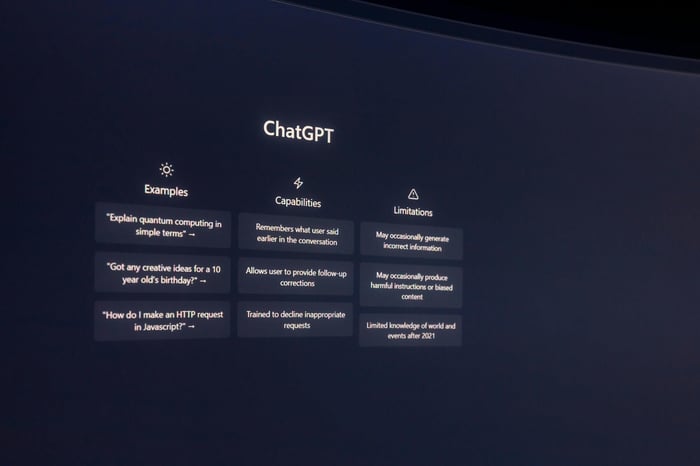
AI systems are increasingly capable of handling multi-turn conversations, remembering context across several queries. This means your content needs to anticipate not just the initial question, but also the likely follow-up questions users might pose.
- Anticipate Natural Progression: Think about the user journey. If a user asks "How do I choose a CRM?", their next questions might be "What features should I look for?" or "How much does a CRM cost?". Structure your content to address these predictable follow-ups within the same article or through clear internal links.
- Use Internal Linking Strategically:Guide AI models through related conversational paths by robustly interlinking relevant content. This creates a semantic network that helps AI understand the breadth of your expertise on a topic.
- For example, link "CRM implementation guide" from an article about "choosing a CRM."
- Address Both Initial and Follow-Up Questions:A single piece of content should aim to be a comprehensive resource, answering the primary query and then logically progressing to related, deeper questions. This reduces the need for the AI to seek answers from multiple sources.
- However, LLMs show a 39% average performance drop in multi-turn conversations compared to single-turn tasks, indicating the importance of clear, structured answers to prevent AI from "getting lost."
By optimizing for multi-turn conversations, you enhance the utility of your content for AI, making it a more valuable source for comprehensive answers.

Measuring Success: Tracking AI Citations from Conversational Keywords
The new metric of success in AI search is citation, not just ranking. Brands need to actively monitor when and how AI models reference their content. This requires a shift in measurement strategy, focusing on AI visibility and citation rates.
- Monitor AI Citation Frequency: Utilize specialized AI citation tracking tools to see when your content is cited by ChatGPT, Perplexity, Gemini, and Google AI Overviews. These tools provide real-time data on your brand's presence in AI-generated answers.
- Well-optimized content can achieve a 60-80% citation rate on Perplexity, highlighting the platform's preference for source transparency.
- Track AI Visibility: Beyond direct citations, monitor your share of voice within AI-generated summaries and answers. This indicates how often your brand or content is influencing the AI's response, even if not explicitly linked.
- Identify High-Performing Patterns:Analyze which conversational queries consistently lead to citations. This data helps refine your keyword strategy, focusing on the types of questions and content formats that resonate most with AI models.
- Perplexity, for instance, displays citations in nearly every response, making it a key platform for tracking direct attribution.
- Iterate Based on Data: Continuously adjust your content and keyword strategy based on AI citation data. What works today might need refinement tomorrow as AI models evolve.
At outwrite.ai, our platform is specifically designed to help you track these metrics, making AI visibility measurable, predictable, and actionable. We empower brands to identify high-performing conversational patterns and optimize for increased AI citations.

Key Takeaways
- AI systems prioritize natural language and conversational queries over traditional keyword stuffing.
- The 4-Phase Conversational Keyword Framework (Question Mining, Context Layering, Natural Phrasing, Answer Completeness) provides a systematic approach to AI-optimized content.
- Researching conversational keywords involves analyzing AI chat interfaces, 'People Also Ask' sections, customer support data, and community forums.
- Content must be structured with question-based headings and direct, complete answers to meet AI's preference for clarity and extractability.
- Optimizing for multi-turn conversations and predictable follow-up questions enhances content utility for AI models.
- Measuring success now focuses on AI citations and share of voice, tracked through specialized AI visibility platforms like outwrite.ai.
Conclusion: Making Conversational Keywords Your Competitive Advantage
The shift to AI-driven search is not just a trend; it's a fundamental transformation in how information is accessed and consumed. Brands that adapt early by embracing conversational keywords and the principles of Answer Engine Optimization will gain a significant competitive advantage. Our 4-Phase Framework provides a clear roadmap for this transition, ensuring your content is not just found, but actively cited by the AI systems that dominate the new search landscape.
By focusing on how people truly communicate and ask questions, you future-proof your content strategy and ensure your brand remains visible and authoritative in AI search. The long-term advantage lies in being the trusted source AI models turn to for comprehensive, natural-language answers. outwrite.ai is here to help you navigate this new frontier, providing the tools and insights needed to track and optimize for AI citations, making your brand discoverable where it matters most.
Key Terms Glossary
Conversational Keywords: Natural language phrases and questions that mirror how people speak, designed to be understood and prioritized by AI search models.
AI Visibility: The extent to which a brand's content is cited or referenced within AI-generated answers and summaries across platforms like ChatGPT, Perplexity, and Gemini. Explore AI meta keywords.
AI Citation: A direct reference or attribution to a specific piece of content or source within an AI-generated response, indicating its use by the AI model. Explore from keywords to citations.
Answer Engine Optimization (AEO): The strategic process of optimizing content to be directly cited and used by AI models and answer engines, rather than solely ranking in traditional search results. Explore LLM strategies to rank higher in AI-driven search results.
Natural Language Processing (NLP): A branch of artificial intelligence that enables computers to understand, interpret, and generate human language. Explore AI search content optimization.
Multi-turn Conversation: An interaction with an AI system that extends beyond a single question and answer, where the AI retains context from previous exchanges.
Context Layering: The process of adding specific qualifiers and scenarios to keywords to match detailed user intent, making queries more precise for AI understanding.