


 ChatGPT
 Claude
 Perplexity
 Gemini
 Grok
GrokVoice search now represents a significant portion of queries across Google Assistant, Siri, and Alexa. While many brands optimize for one assistant at a time, a unified approach can effectively reach all three. The shift from text-based to conversational queries requires a different content structure to ensure your brand's message is heard.
This guide covers seven practical methods to optimize your content once and achieve discoverability across all major voice assistants simultaneously. By focusing on fundamental AEO (Answer Engine Optimization) principles, businesses can ensure their content is cited by AI systems like ChatGPT, Perplexity, Claude, and Google AI Overviews.

1. Structure Content Around Natural Language Questions
Voice queries are inherently conversational and question-based, moving away from keyword-stuffed phrases. Optimizing for voice search means understanding how people naturally speak and ask questions.
To achieve this, structure your content using question-based H2/H3 headings that mirror common queries.
- Use FAQ schema and question-based headings that match how people actually speak.
- Focus on who, what, where, when, why, and how questions in your content.
- For example, optimize for "What's the best time to post on Instagram?" instead of just "Instagram posting times."
Voice queries average 4-7 words and are structured as complete questions, unlike typed searches which are typically 2-3 words according to WebFX. Around 80% of all voice search queries are conversational, reflecting natural speech patterns.
2. Implement Schema Markup That All Assistants Recognize
Structured data is crucial for voice assistant optimization, as it helps these platforms understand and extract information from your content. Voice assistants do not interpret queries as simple strings of words; they break spoken language into semantic components as highlighted by Digital Marketing Philippines.
Specific schema types are universally understood by Google, Apple, and Amazon.
- FAQPage, HowTo, and Article schema are universally understood by Google, Apple, and Amazon.
- Structured data helps assistants extract and cite your content accurately.
- Use JSON-LD format for clean implementation that doesn't clutter your HTML.
Schema markup is "critical for voice search optimization" because voice assistants rely on structured data from knowledge graphs according to WeAreTG. This structured data gives assistants confidence to reference your content as a trusted source, directly impacting your AEO AI Search visibility.

This table compares the key optimization factors across Google Assistant, Siri, and Alexa to show where universal best practices apply and where platform-specific differences exist.
| Optimization Factor | Google Assistant | Siri (Apple) | Alexa (Amazon) | Universal Approach |
|---|---|---|---|---|
| Schema Markup Support | Strong preference for FAQ, HowTo, Article, LocalBusiness | Utilizes structured data for rich results, leverages Apple Maps data | Leverages structured data, especially for product and local info (via Bing) | Implement FAQPage, HowTo, Article, LocalBusiness schema in JSON-LD |
| Featured Snippet Preference | Heavily relies on featured snippets (40.7% of answers) | Often pulls from Google's featured snippets and top organic results | Primarily uses Bing's search results and featured snippets | Optimize for position zero with concise, direct answers (40-60 words) |
| Local Search Integration | Deeply integrated with Google Maps and Google Business Profile | Uses Apple Maps with Yelp data; prioritizes consistent NAP | Relies on Bing and Yelp for local business information | Optimize Google Business Profile, Apple Maps, and ensure NAP consistency |
| Natural Language Processing | Advanced NLP for conversational queries and contextual understanding | Strong NLP, focuses on user intent and follow-up questions | Focuses on command recognition and conversational interactions | Write in conversational tone, answer questions directly, aim for 8th-grade readability |
| Content Source Preferences | Prioritizes authoritative, high-quality content; often uses own knowledge graph | Favors trusted sources and established websites | Prefers content from Bing search results, Amazon product data, and first-party skills | Build domain authority, earn citations, and create expert content |
| Citation Attribution | Generally provides source attribution for longer answers | Often cites sources, especially for factual information | Less explicit attribution, sometimes refers to "information from the web" | Ensure clear authorship and maintain consistent branding to be recognized |
3. Optimize for Featured Snippets and Position Zero
Voice assistants pull heavily from featured snippets for their spoken answers, making position zero critical for visibility. Approximately 40.7% of voice search answers are pulled from Featured Snippets according to Backlinko's analysis.
Your content needs to be structured to capture these coveted spots.
- Structure answers in 40-60 word paragraphs that directly answer specific questions.
- Use lists, tables, and clear formatting that assistants can easily parse.
- Getting featured on Google often translates to being cited by Siri and Alexa too.
This approach is a key part of any comprehensive optimize for AI search strategy.
4. Create Conversational, Scannable Content
Content for voice search must be easy to understand and sound natural when read aloud. Google recommends targeting an 8th or 9th-grade readability level for voice search optimization.
This ensures accessibility for a broad audience and facilitates AI parsing.
- Write in the second person ("you") with a natural, helpful tone that mirrors spoken language.
- Break content into short paragraphs and use subheadings every 200-300 words.
- Front-load answers so assistants can extract the key information quickly.
- Avoid jargon and complexity – aim for an 8th-grade reading level for maximum accessibility.
The average voice query contains 4.2 words, compared to 1.9 words for typed searches, emphasizing the need for direct, concise answers per Digital Marketing Philippines.
5. Build Local SEO Signals for Location-Based Queries
Voice searches have a strong local intent, often involving "near me" queries. 58% of consumers use voice search specifically to find local businesses according to Invoca.
Optimizing for local visibility is paramount.
- Claim and optimize your Google Business Profile, Apple Maps listing, and Alexa local business listing.
- Ensure NAP (Name, Address, Phone) consistency across all platforms.
- Add location-specific content and landing pages for service areas.
These "near me" queries have increased by 136% over the past two years, demonstrating accelerating consumer adoption of voice-activated local discovery as reported by Koanthic.
6. Establish Authority Through Citations and Backlinks
Voice assistants and AI systems prioritize authoritative sources they trust to cite. Building a strong foundation of credibility is essential for AI search content optimization.
This helps your content get recommended over competitors.
- Earn mentions in industry publications, expert roundups, and high-authority sites.
- Build a presence in communities and platforms where your audience asks questions.
- Track which sources get cited by AI systems and aim to appear alongside them.
This strategy aligns with the broader goals of AI search optimization steps, ensuring your brand is seen as a reliable source.
7. Monitor Your Voice Search Visibility Across Platforms
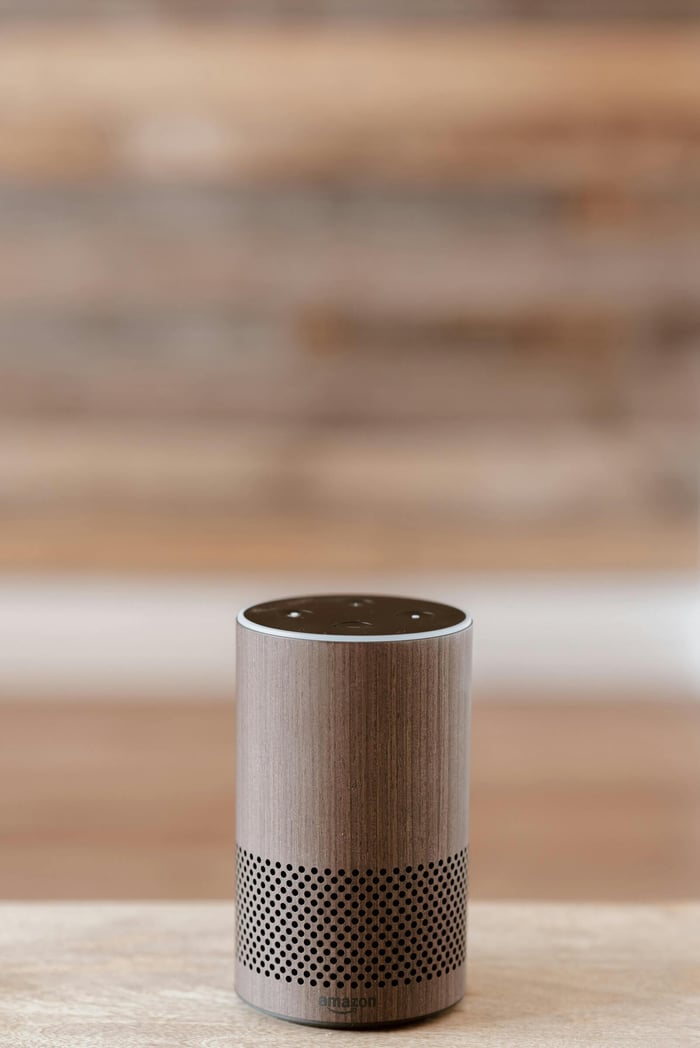
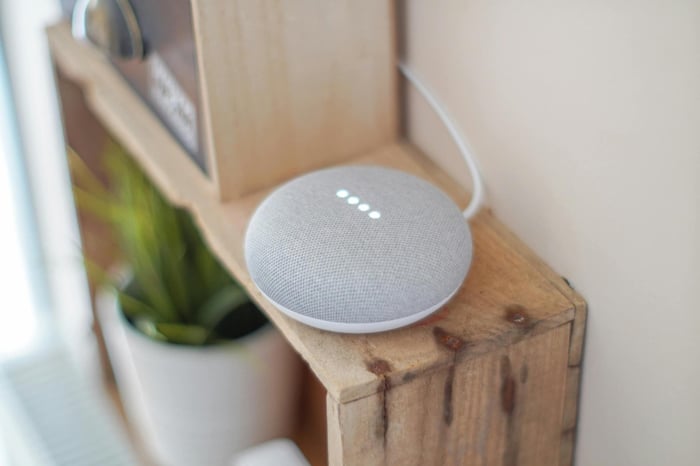
Understanding how your content performs across different voice assistants is crucial for continuous improvement. While Google Assistant and Apple's Siri each command 36% of voice search queries, Amazon Alexa accounts for 25% according to Yaguara.
Regular monitoring allows you to adapt your strategy.
- Test your brand queries across Google Assistant, Siri, and Alexa regularly.
- Use tools like outwrite.ai to track when and how AI systems cite your content.
- Measure which content formats and topics earn the most voice assistant citations.
By iterating based on what's actually getting surfaced in voice results, you can refine your strategies for how different AI search platforms rank content. Tools like SE Visible and Ahrefs Brand Radar offer multi-platform tracking, sentiment analysis, and competitor benchmarking as noted by SE Ranking.

Key Takeaways
- Structure content around natural language questions to match conversational voice queries.
- Implement universally recognized schema markup like FAQPage, HowTo, and Article to aid AI extraction.
- Optimize for featured snippets (position zero) with concise, direct answers of 40-60 words.
- Create scannable, conversational content with an 8th-grade reading level.
- Build strong local SEO signals for "near me" queries across all major platforms.
- Establish authority through citations and backlinks to become a trusted source for AI.
- Actively monitor your voice search visibility and AI citations with specialized tools.
Conclusion
Optimizing for voice assistants isn't about managing separate strategies for each platform. The fundamentals—structured data, natural language, and authority—work universally to enhance your brand's AI visibility. Start with FAQ schema and a conversational content structure as your foundation, as these are critical for AI systems to understand and cite your information. Voice visibility is now an integral part of overall AI visibility; tracking it is as essential as tracking traditional search rankings.